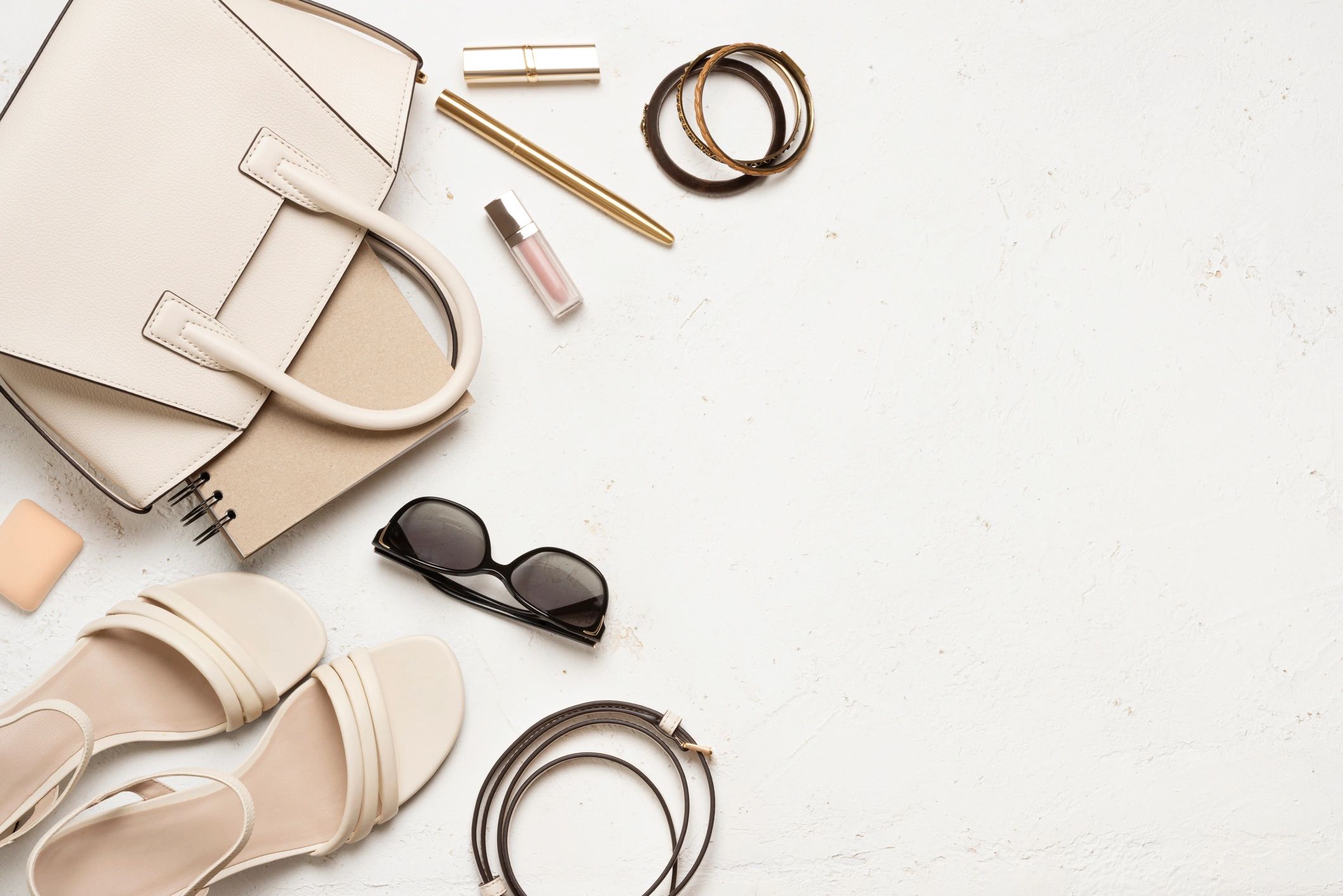
A wardrobe archive is not a mood board. It is a working system: a clear record of what you own, how it fits today, and which combinations reliably support real life. When it is maintained with intention, it becomes the quiet infrastructure behind an elevated, minimal style—especially in seasons of transition.
Why a digital wardrobe archive works (when a closet clean-out doesn’t)
Most “declutter” advice ends at subtraction. A digital archive adds structure. It helps you see your wardrobe as a set of repeatable tools—pieces with roles, ranges, and limits—so you can dress with clarity instead of starting from scratch every morning.
What you gain
Less decision fatigue (you stop re-evaluating the same items).
More accurate shopping (you buy to fill gaps, not to chase a feeling).
Outfits that repeat well (because you track what actually works).
A record of fit and identity shifts across seasons and life stages.
What it replaces
Impulse purchases that “might work.”
Closet overwhelm (too many options, too little certainty).
One-off outfits that look good once but don’t integrate.
The constant sense that you need to start over.
The Woman Standard method: archive first, then build formulas
At The Woman Standard, the goal is not trend-chasing. It is a calm, editorial wardrobe that functions. The archive is the foundation: each piece documented with fit notes, styling reflections, and the situations it serves.
1) Document the piece (quickly, but precisely)
Name + category: “Black tailored trouser,” “Ivory knit tee,” “Camel coat.”
Fit reflection: what you notice after wearing it (waist, rise, shoulder, length, comfort).
Range: temperature, formality, and movement (desk day vs. errands vs. dinner).
Care + constraints: wrinkles easily, requires specific bra, only works with certain shoes.
2) Add styling notes that evolve
Styling notes are not rules; they are observations. Keep them specific and reusable: what neckline balances the silhouette, which proportions feel current, which layers add polish without adding effort.
Style becomes “structured” when you can explain why an outfit works—and repeat it on an ordinary day.
3) Convert notes into outfit formulas for real life
Formulas are your wardrobe’s operating system. They reduce decisions while keeping the result intentional. Start with three scenarios you actually have, then build one formula for each.
Three starter formulas
Appointments + errands: straight-leg trouser + knit tee + structured layer + low-profile shoe.
Work-from-home (camera-ready): refined knit + simple jewelry + clean trouser (or dark denim) + polished hair cue.
Evening, minimal effort: column base (dress or tonal set) + one statement element (shoe, lip, or outerwear).
A note for postpartum and transition seasons
When your body and identity are shifting, “getting dressed” can feel like a negotiation. An archive helps you meet yourself where you are: you track what fits, what supports movement, and what feels like you—without forcing a return to an old standard. The point is not to rush the transition; it is to dress with dignity inside it.
Start here
Explore the WardrobeStart Your System